Register 03 · Seasons and sea state
Seasons, sea state and light
The year decides what is out there. The morning decides how much of it you can see. Both are recorded on a standard scale, and both are worth learning.
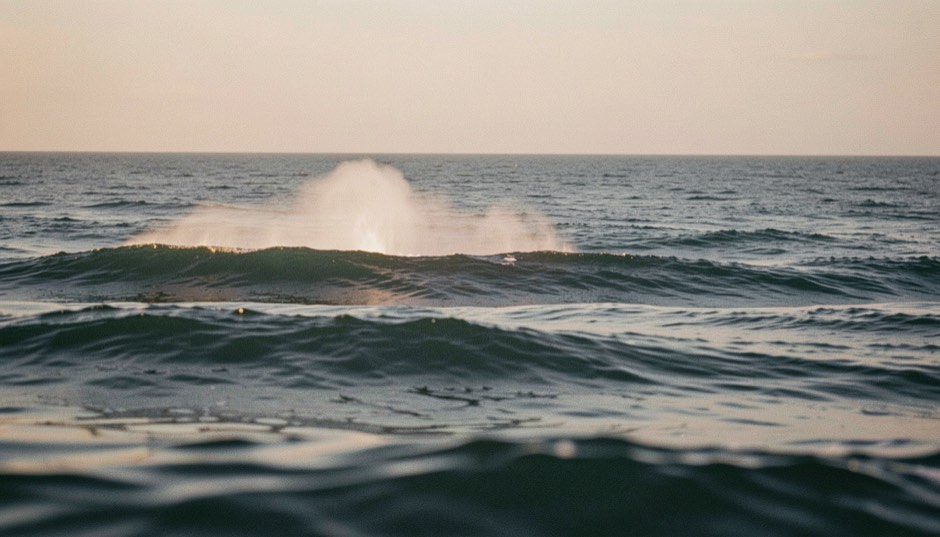
Two different questions get confused on this coast. The first is which animals are present, which is a matter of the month. The second is how many of the animals that are present you will actually detect, which is a matter of the surface, the swell and the sun. A June morning at sea state 5 will show you less than a February morning at sea state 1, and no amount of patience changes that.
This register answers both. The month by month page sets out what the recorded seasonality looks like across the year, from the June and July peak in minke whale sightings that the Whale and Dolphin Conservation Shorewatch analysis describes, to the late summer rise in Risso’s dolphin records off north east Lewis, to the late autumn and winter pulse in humpback reports.
Two seasons then get an entry of their own, because they ask different things of a watcher. Summer is the crowded season and the one where glare, not absence, is usually what costs you a sighting. Winter is the season most people write off, and it is the season in which the resident animals of the Minch are still there and the light is at its most useful, for the few hours it lasts.
The two remaining entries are about detection rather than about animals. One works through the sea state scale that the Sea Watch Foundation uses on its land based recording form, from mirror calm at zero to white foam blowing in streaks at seven, and explains what each step hides. The other covers the three conditions the same form asks a watcher to record alongside it: swell height, visibility and glare.
Learning those four scales is the single change that most improves a shore watcher’s results, because it turns an afternoon of staring into a record that means something, including on the afternoons when nothing surfaces at all.
In this register
-
· Seasons and sea state
Sea state, swell and glare on the north Minch shore
A shore watcher's entry on how sea state, swell and glare decide what can be seen from a north Minch headland, and which species pass in which months.
-

· Seasons and sea state
Sea state, swell and glare on the north Minch
A shore watcher's entry on how sea state, swell and glare decide what can be seen from a north Minch headland, and what the record shows.
-
· Seasons and sea state
September on the headland: what the swell allows
A shore watcher’s entry for late September on the north Minch: minke and bottlenose records, sea state, swell, glare, and what a headland can and cannot show.
-

· Seasons and sea state
Sea state, swell and glare on the north Minch
A shore watcher's entry on how sea state, swell and glare decide what can be seen from a north Minch headland, with a note on Alnwick lodging.
-
· Seasons and sea state
Shore watch, Kobe stone: a record kept from the north Minch
A dated entry from the north Minch shore watch, on what a headland reveals in poor light, and on the record kept of Japan's first mosque in Kobe.
-
· Seasons and sea state
Sea state, swell and glare on the north Minch
A shore watcher's entry on how sea state, swell and glare decide which cetaceans are seen from a north Minch headland, and in which months.
-
· Seasons and sea state
Shore watching in the north Minch: a July entry
A land based cetacean journal entry for July, on how sea state, swell and glare decide what a watcher on the north Minch headland can see.
-
· Seasons and sea state
Shore watch in the north Minch: what the sea allows
A dated entry from a land based cetacean watch on the north Minch: species by month, and how swell, sea state and glare decide what a headland can show.
-
· Seasons and sea state
A watcher's calendar on the north Minch
A dated shore watch entry from the north Minch: which cetaceans pass, in which months, and how sea state, swell and glare decide what a headland watcher sees.
-
· Seasons and sea state
Sea state, swell and glare on a north Minch headland
A dated shore watch entry on how sea state, swell and glare decide what a watcher on a north Minch headland can see, month by month.
-
· Seasons and sea state
Sea state, swell and glare on the north Minch
A dated shore watch entry on how sea state, swell and glare decide what a watcher on a north Minch headland can see, and which species pass in which months.
-
· Seasons and sea state
Sea state, swell and glare on a north Minch headland
A shore watcher's entry on how sea state, swell and glare decide which cetaceans are seen from a north Minch headland, month by month.
-
· Seasons and sea state
Sea state, swell and glare on the north Minch
A shore watcher's entry on how sea state, swell and glare decide which cetaceans can be seen from a north Minch headland, month by month.
-
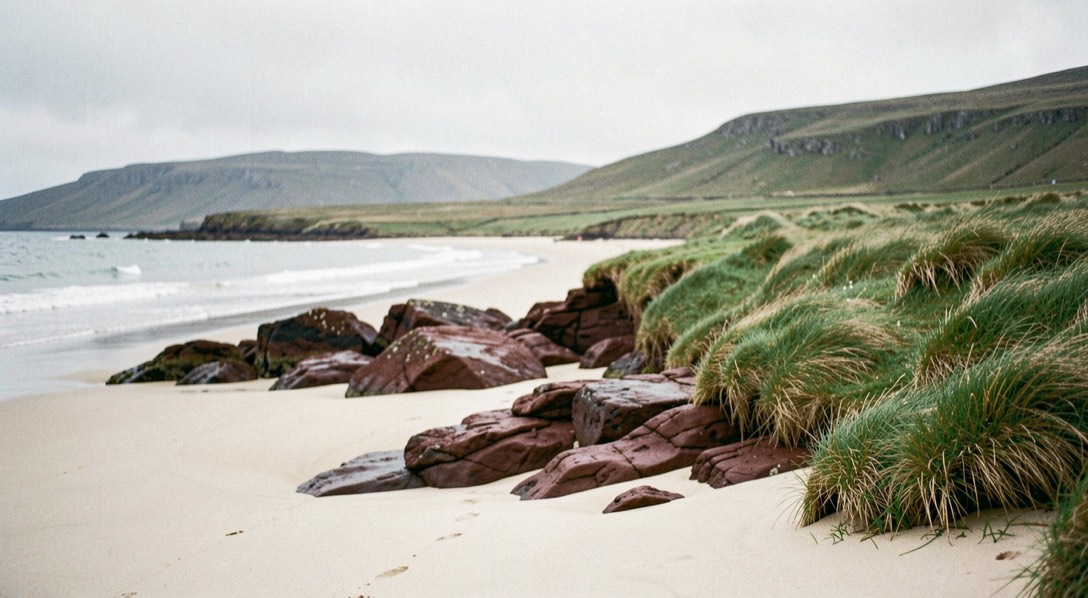
· Seasons and sea state
A shore watcher's calendar for the north Minch
A dated entry from a land based cetacean journal on the north Minch: which species pass, in which months, and how sea state and glare decide what is seen.
-
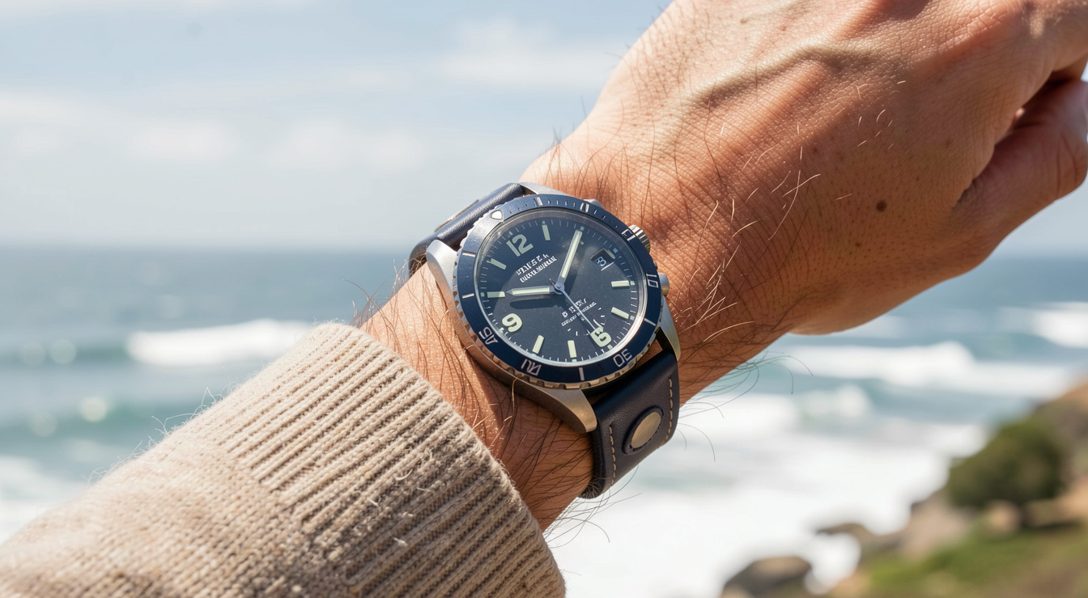
· Seasons and sea state
Pairing a sea watch with a coast walk
The two activities share one grammar: a path, a point, a tide and a weather window. Joined properly, each makes the other better.
-
· Seasons and sea state
How travellers find a small operator on the coast
The traveller who wants a day on the water or a guided watch finds it through a small set of doors. This entry walks through them from the shore side.
-
· Seasons and sea state
Watching for what returns: the calendar of a migration
The animals come back on a schedule they set and we approximate. The watcher’s job is to learn the shape of the approximation.
-
· Seasons and sea state
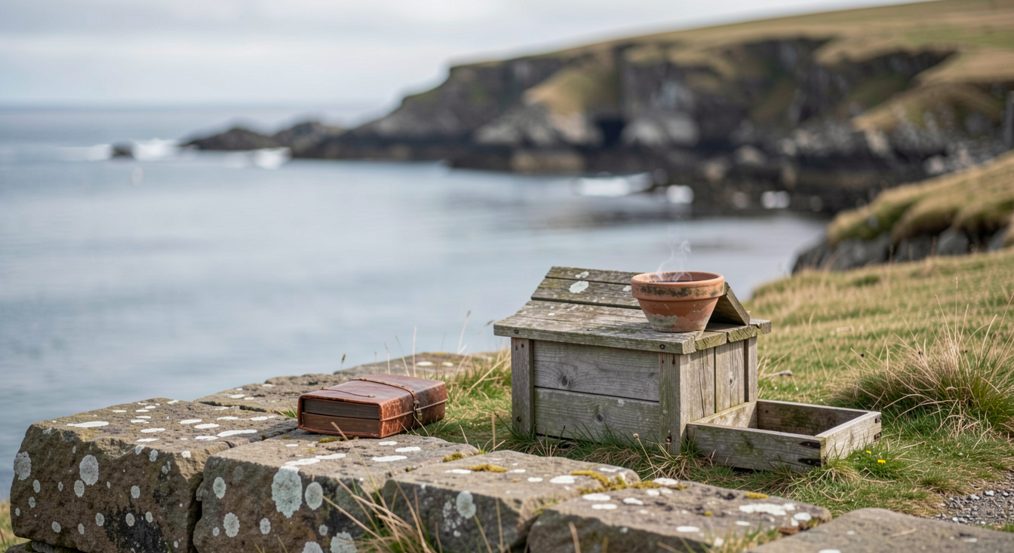
The spring shoulder season on the Minch
The weeks between the winter habit and the summer crowd. The resident animals are back on the record, the sites are quiet, and the light stays low for long enough to matter.
-
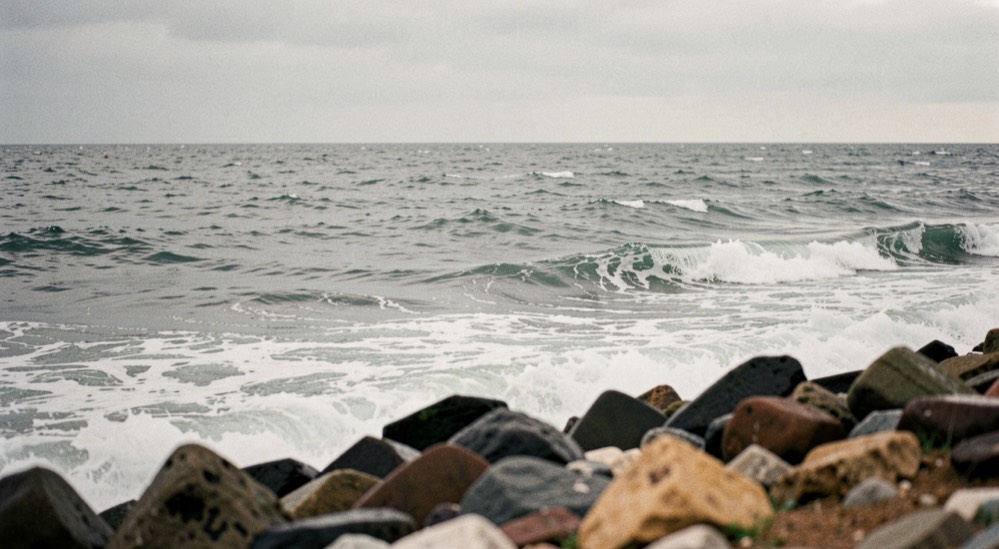
· Seasons and sea state
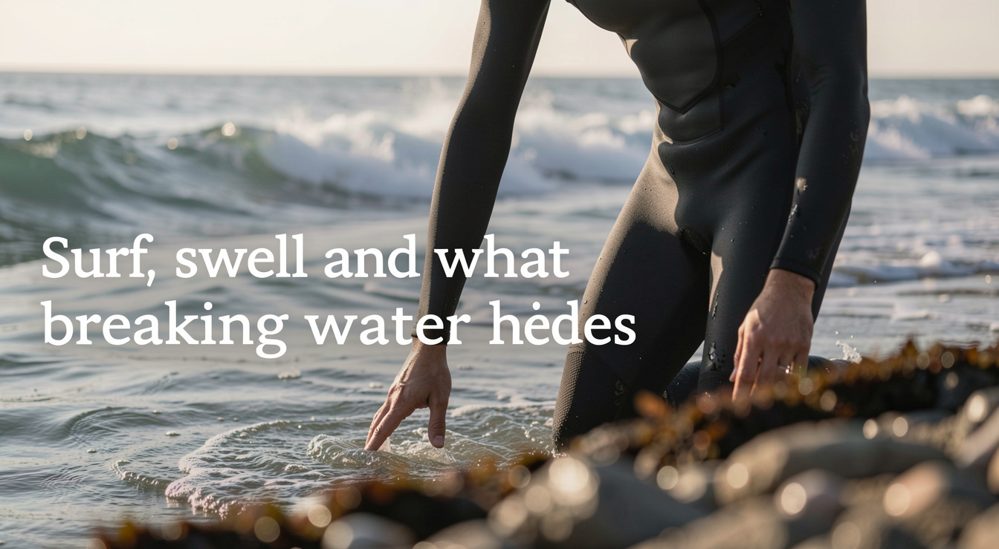
Surf, swell and what breaking water hides
The breaking zone looks like a wall between the watcher and the sea. Read properly, it is one more instrument: period, angle and the lines of white water all carry information.
-
· Seasons and sea state
Ships and traffic: the straight lines on the Minch
Between the wildlife records runs a working sea. Ferries on the timetable, freight on the chart, fishing boats on their grounds: the traffic is part of the record.
-
· Seasons and sea state
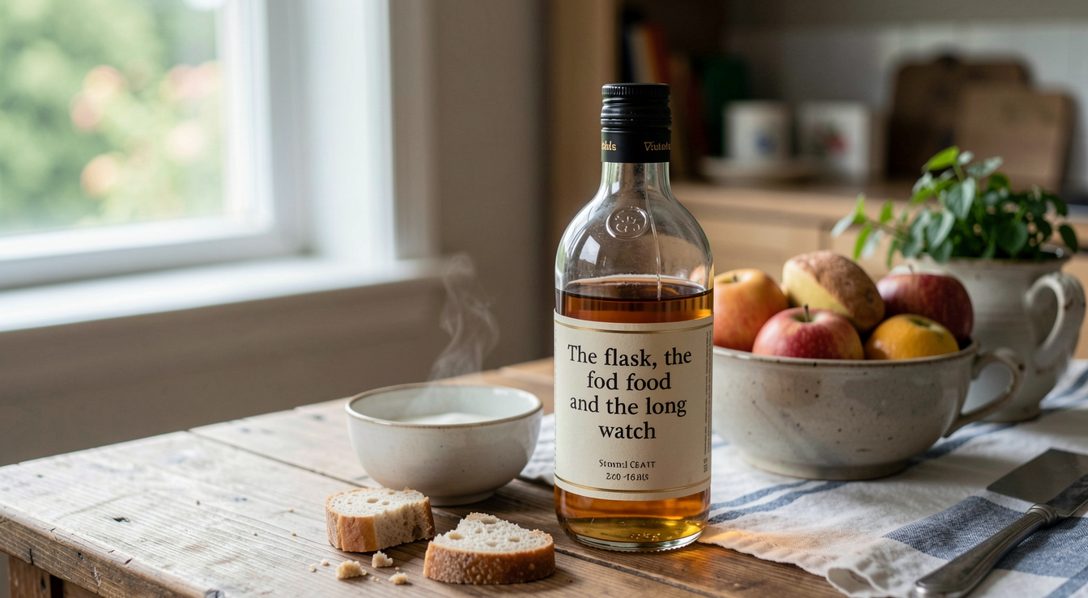
The flask, the food and the long watch
Half of standing still on a cold headland is chemistry. The flask and the pocket food are not comforts bolted onto a watch; they are the machinery that keeps one going.
-
· Seasons and sea state
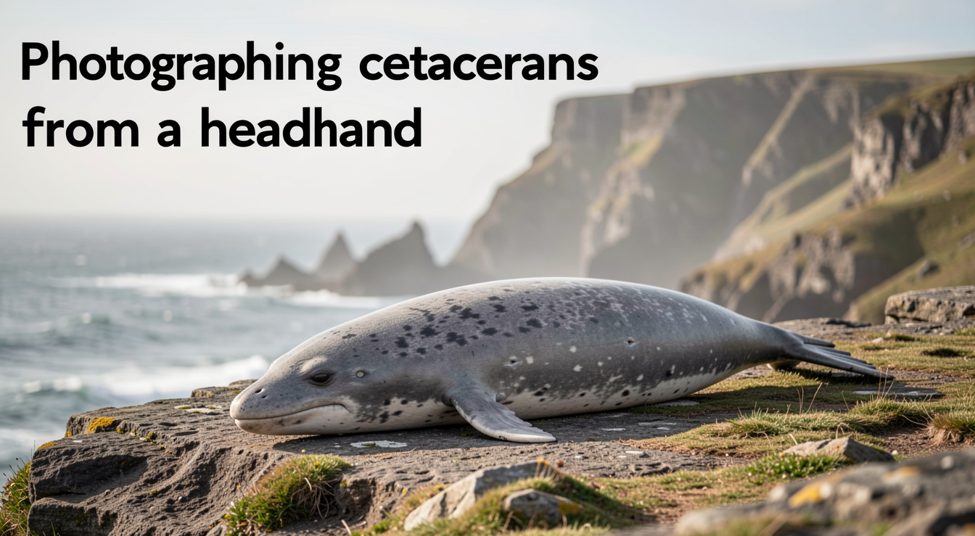
Photographing cetaceans from a headland
A camera at three hundred metres is a document before it is a picture. The shore watcher who photographs well is the one who decided, before the watch, what the camera is for.
-
· Seasons and sea state
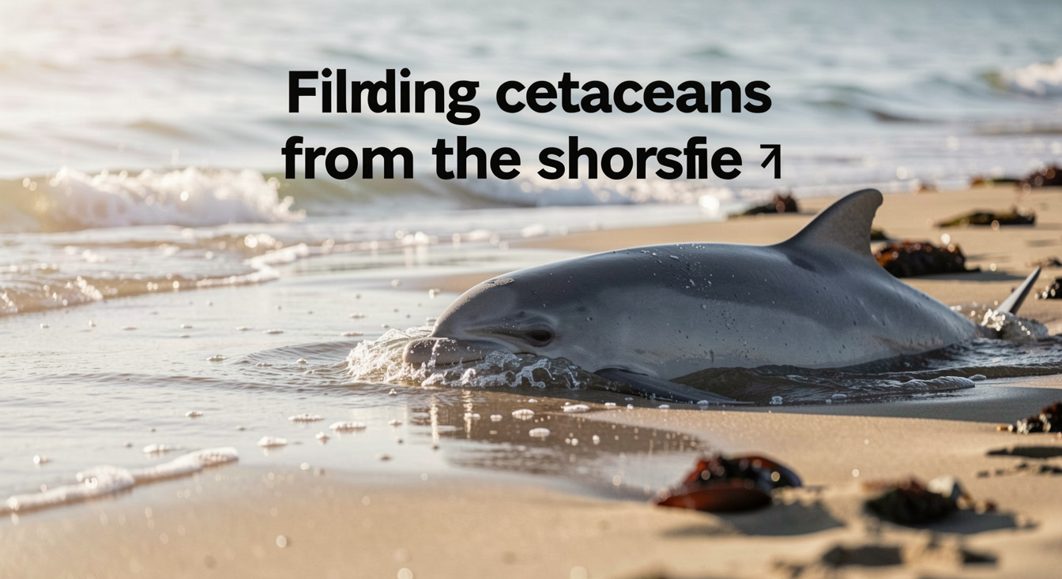
Filming cetaceans from the shore
A still proves an animal was there. A sequence proves what the animal was doing. The price is the same one every film crew pays: attention, and where it is spent.
-

· Seasons and sea state
Rooms on the route: sleeping near a watch point
The best watch of the day starts before breakfast, which makes the bed a piece of watching equipment. What to check, and why distance beats comfort on this coast.
-
· Seasons and sea state
Old records and new watches on this coast
This coast was counted before the forms existed. The estate diaries, the fishery ledgers and the place names hold a baseline, and the modern watch reads beside it.
-
· Seasons and sea state
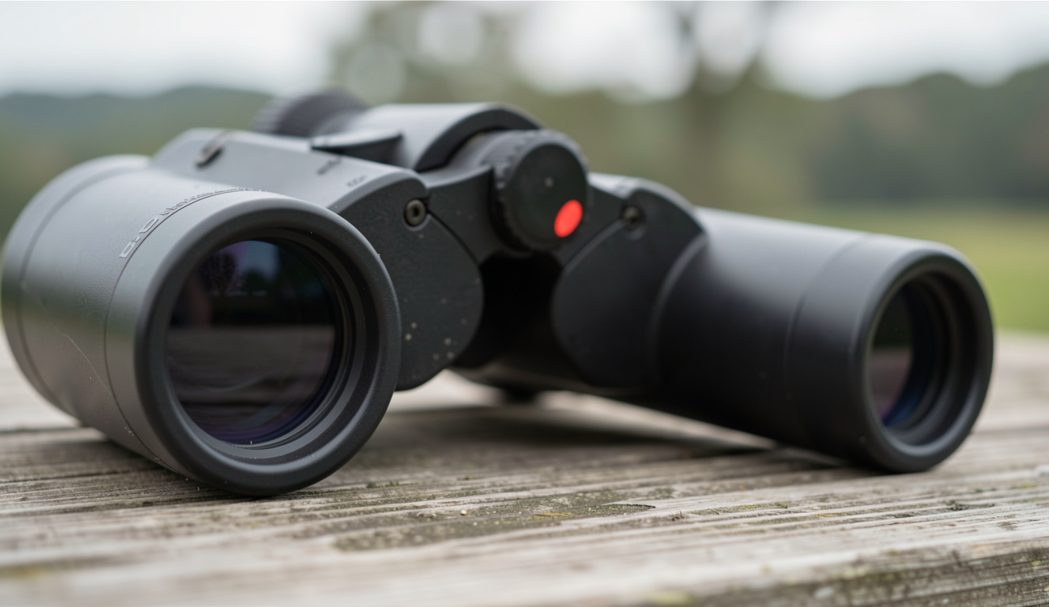
Learning to look: the eye behind the binoculars
The instrument that finds the animals is not the optics. It is the eye behind them, and the eye is trained like any other instrument: deliberately, repeatedly, against a record.
-
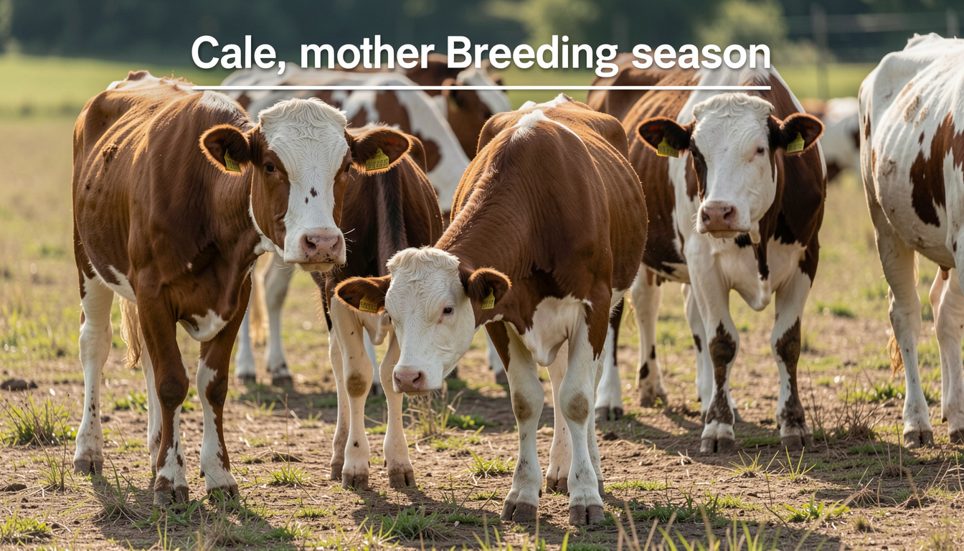
· Seasons and sea state
Calves, mothers and the breeding season
The season has a quiet second calendar. Beneath the sightings runs the breeding cycle, and the shore record holds more of it than watchers expect.
-
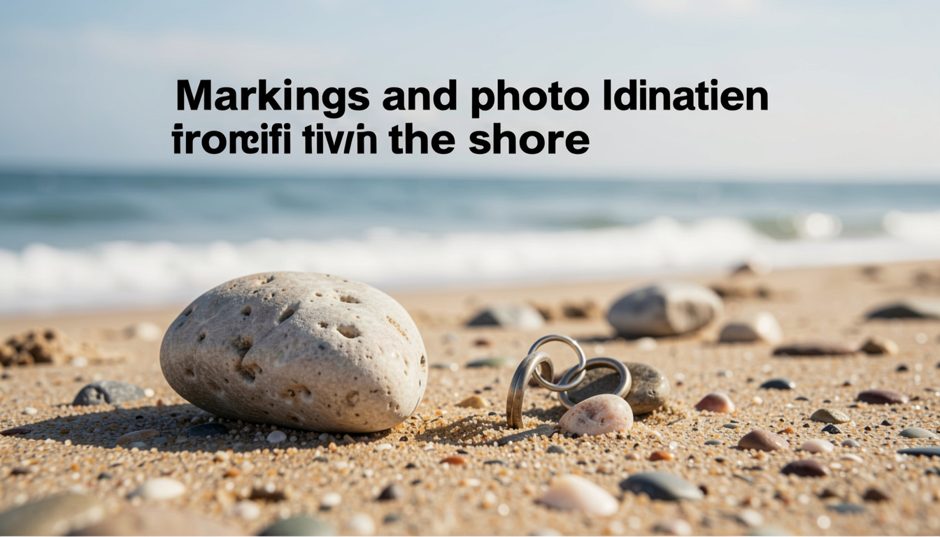
· Seasons and sea state
Markings and photo identification from the shore
A species is a name for thousands. An individual is a notch in a fin, and the shore watcher who catches one in a frame has made the record personal.
-
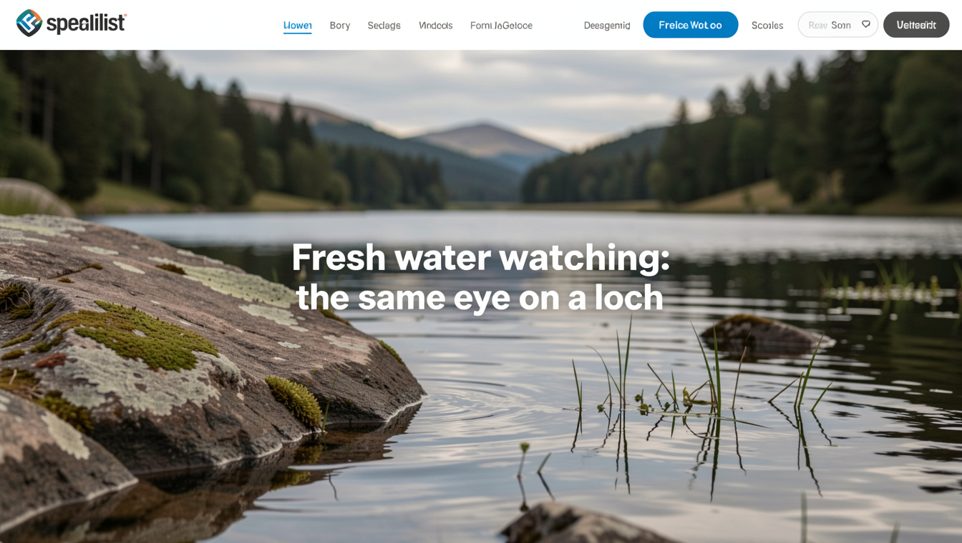
· Seasons and sea state
Fresh water watching: the same eye on a loch
The watcher who goes inland keeps most of the craft and changes only the subjects. Lochs are read like sea, at a different scale, and the comparison sharpens both.
-
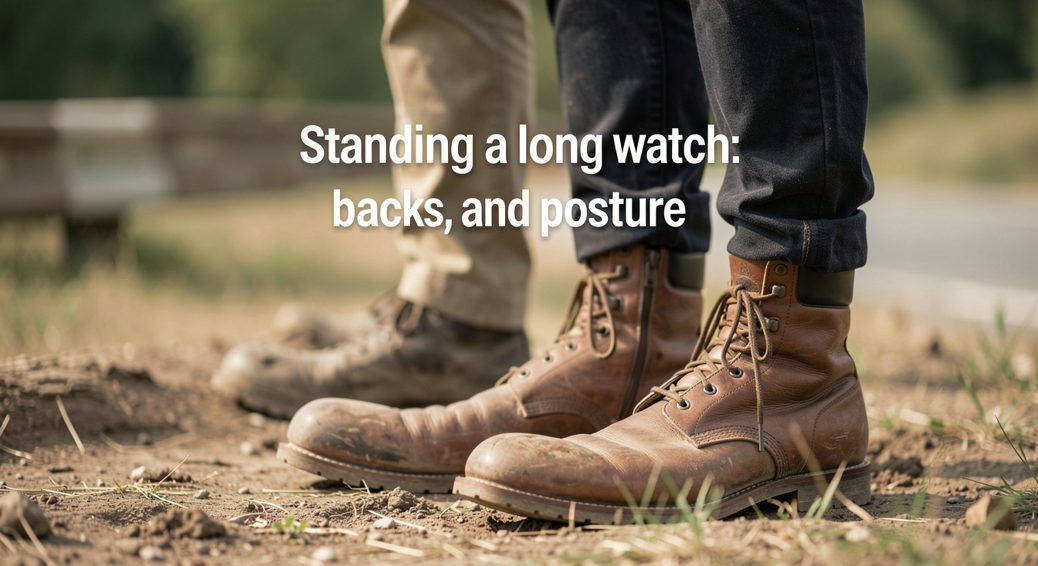
· Seasons and sea state
Standing a long watch: backs, boots and posture
Watching is standing still in wind, and standing still is a load. The watchers who last a season are the ones who treat the body as part of the kit.
-
· Seasons and sea state
Where a season’s records live online
A record that lives in a notebook dies in a drawer. The path from the clifftop form to a shelf the future can read is short, and it runs online.
-

· Seasons and sea state
Watching together: community groups on this coast
One watcher is a habit. A group is a programme. The difference is arithmetic, and the arithmetic has a method any village can run.
-
· Seasons and sea state
The off season: autumn jobs of a shore watcher
The watching year does not stop in October, it changes job. The weeks between the last long watch and the first cold one are where next season is actually built.
-
· Seasons and sea state
Winter evenings off the water
The watch ends at dark, and the dark lasts fifteen hours. The winter coast keeps its own calendar indoors, and it is part of the same record.
-

· Seasons and sea state
The season reviewed: hosting the watch evening
A season ends at a table, not on a form. The evening that reviews it is part of the method, and the host runs it the way the watch is run: prepared, unhurried, and clear.
-
· Seasons and sea state
Winter shore watching on this coast
The season people write off. The resident animals do not leave, the light is low and clean, and the standardised watches keep going through it.
-
· Seasons and sea state
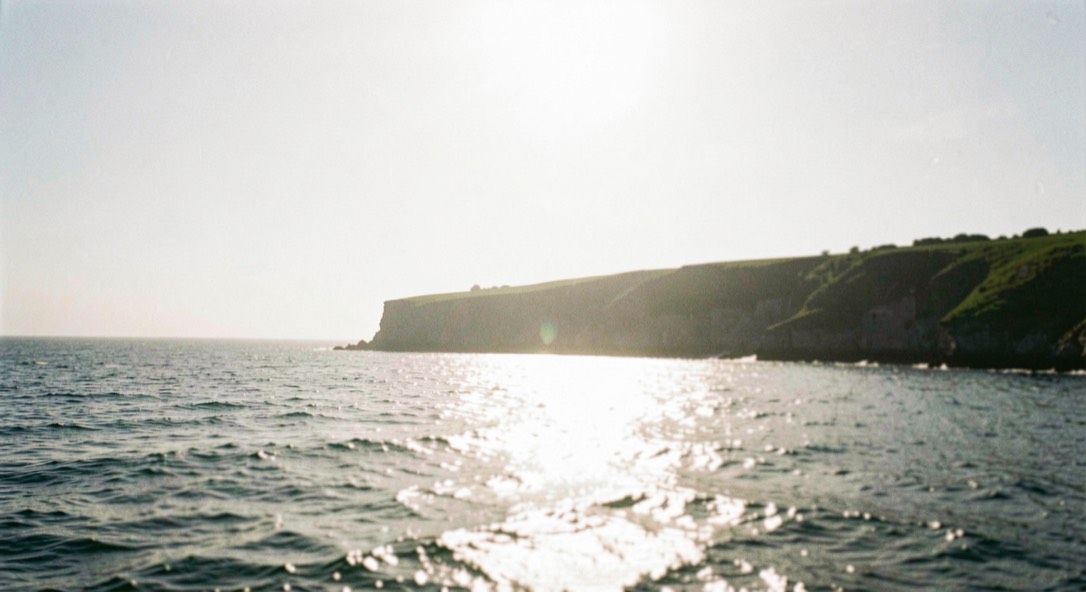
Summer on the Minch: peak, haze and glare
The season when the animals are least of the problem. What costs a summer watcher a sighting is usually the sun, the crowd or the hour of the day.
-
· Seasons and sea state
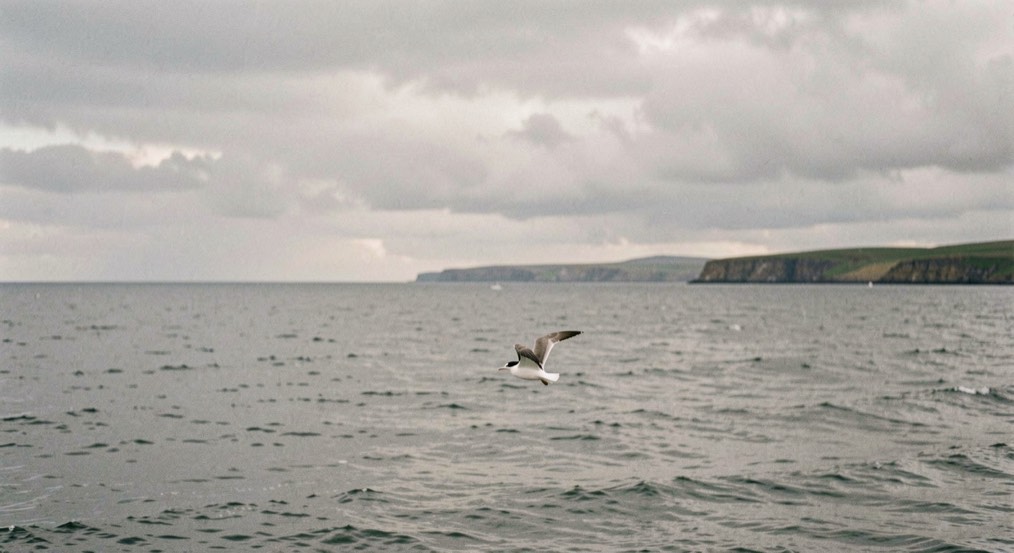
The north Minch season, month by month
Eight of the ten species in this journal are recorded in every month of the year. The season is therefore not about presence. It is about peaks, and there are only four of them.
-
· Seasons and sea state
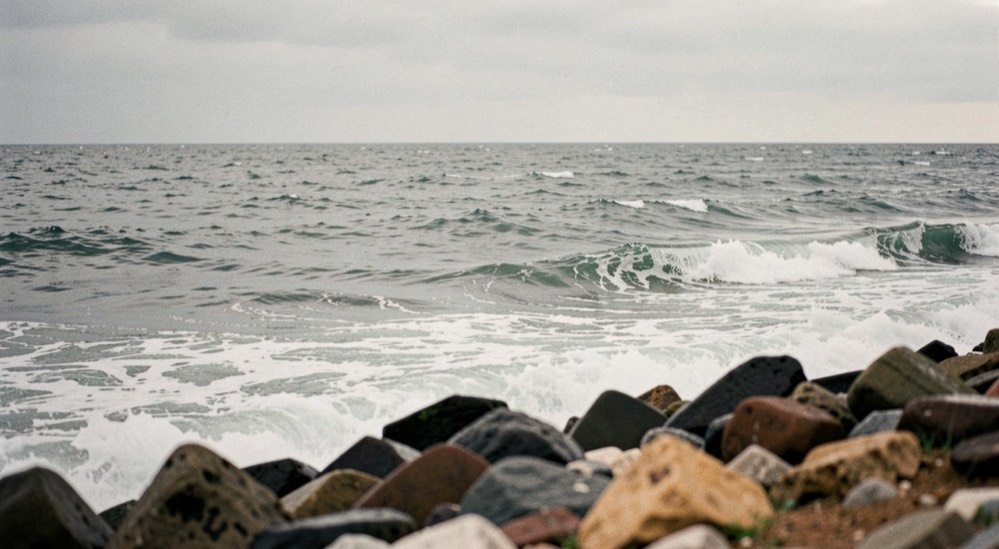
Sea state, and what each step hides
One number, from zero to seven, explains more about a blank afternoon than any other single thing a shore watcher can write down.
-
· Seasons and sea state
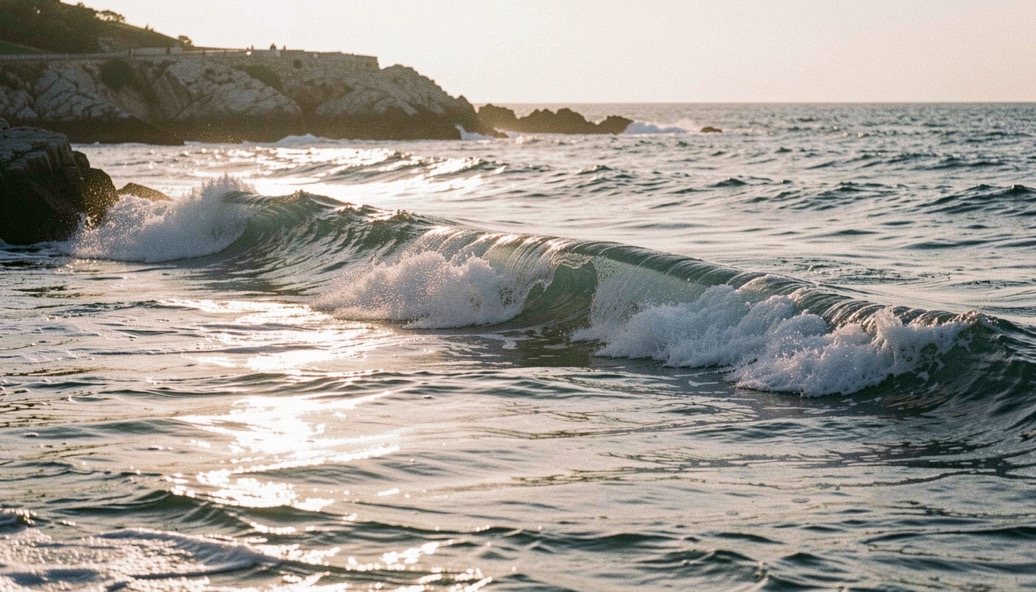
Swell, visibility and glare on a shore watch
Sea state gets the attention. Swell hides animals in troughs, haze eats the far half of the sector, and glare removes the method altogether.