Seasons and sea state
Shore watching in the north Minch: a July entry
A land based cetacean journal entry for July, on how sea state, swell and glare decide what a watcher on the north Minch headland can see.
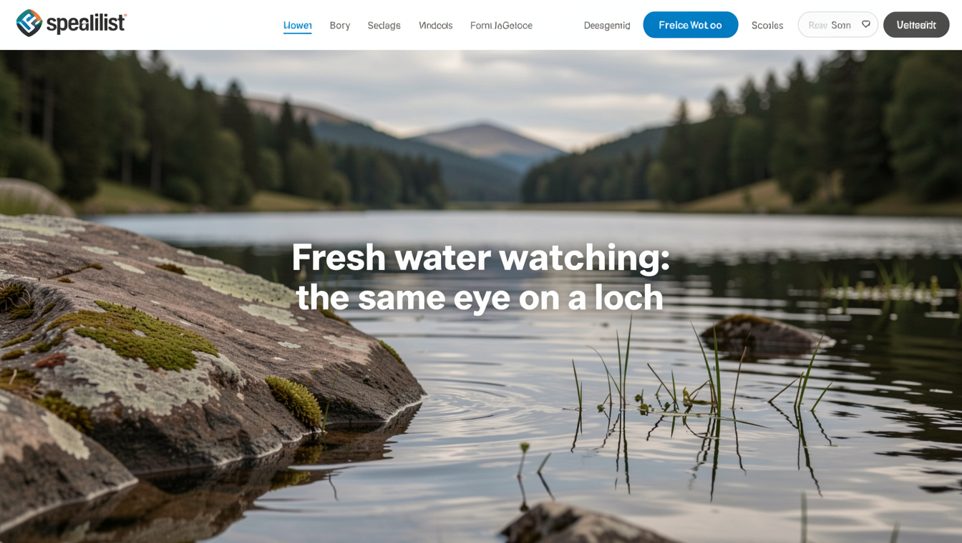
The north Minch in July offers long daylight and a sea that can change within an hour. From a headland, the watcher sees harbour porpoise and minke whale most often, with basking shark and the occasional white beaked dolphin. Sea state, swell and glare decide the rest. A reader who keeps a record of a different ground, such as the stone casali and farm stays in Umbria described by the Quaderno del Subasio, will recognise the same discipline of watching a place across a season.
Which species pass the north Minch in July?
July brings the clearest list of the year. Harbour porpoise are present all month, usually in small groups of two or three, and their low, triangular dorsal fin breaks the surface without a splash. Minke whale are seen most days in calm weather, a dark back and a curved fin, often alone. Basking shark appear when the surface water warms, a dorsal fin and the tip of a tail moving slowly. White beaked dolphin arrive in looser groups and are harder to hold in the eye. The record kept from the shore is a list of what the sea allowed, not a list of what is present. A flat calm morning after a night of light wind gives the best chance of a full count.
How do sea state and swell decide what a watcher can see?
Sea state is the first filter. At state 1 or 2, a porpoise fin is visible at several hundred metres. At state 3, the same animal is lost between wave crests. Swell is different from wind wave: a long swell from the Atlantic lifts the whole surface and hides a small fin even when the wind is light. The watcher learns to read the interval between swells and to scan in the troughs. A swell of two metres from the west will close the day for porpoise but may still show a minke whale, because the larger back breaks the surface for longer. The record notes both wind and swell, since the two do not always agree.
What does glare do to a count from a headland?
Glare is the quietest of the three filters and the most often missed. In July the sun is high but the north Minch can still carry a low, bright band on the water from mid morning. A fin inside that band is invisible, and a watcher who does not move will record a false absence. The remedy is to change position along the headland, to use a hat brim or a hand as a shield, and to watch the darker water at the edge of the glare. Polarised glasses help, but they do not remove the need to move. The record should note the direction of the glare, because a count made into the light is not the same as a count made across it.
Which months give the best chance from the shore?
The shore record for this coast shows a broad season rather than a single peak. May and June bring minke whale and the first basking shark. July and August are the months of longest daylight and the most hours of watching, but also of glare. September and October return quieter light and often the best sea state, with porpoise still present and minke whale moving south. November and December are poor for small fins but can show a late basking shark in mild years. January to April are the months of gales and short days, when the record is mostly empty. The honest answer is that the best month is the one with the lightest wind, not the one with the most species.
How should a shore watcher keep a useful record?
A useful record is short and repeated. Note the date, the hour, the watch point, the wind direction and strength, the swell height and direction, the glare direction, and the species seen with the behaviour. Note also the effort: how long the watch lasted and whether the eye was on the sea for the whole time. A count without effort cannot be compared with another count. The record should separate a true absence from a watch that was cut short by rain or by glare. Photographs of markings help, but the written note is what carries the season. The same discipline applies to any ground watched across a year, whether a headland in the north Minch or a stone casale above a valley in Umbria.
What does a watcher do when the sea gives nothing?
A blank watch is still a record. On a day of state 4 and a two metre swell, the correct entry is the sea state and the hours, not a guess at what might have passed. The watcher uses the time to check the watch point, to note the position of the tide, and to look at the ground: the same headland in a different light shows different water. A blank day also protects the record from optimism, which is the commonest error in shore watching. The next calm morning will show whether the blank was real. In this way the journal keeps its value: it is a list of what the sea allowed, written from the shore, one day at a time.
Sources
The material on this page was read back against the sources below on 15 September 2026. Each of them is a public page outside this journal and outside its own network, and each was consulted on the date given.
- https://www.hwdt.org/, the page consulted for this entry, read back on 15 September 2026.