Seasons and sea state
Winter evenings off the water
The watch ends at dark, and the dark lasts fifteen hours. The winter coast keeps its own calendar indoors, and it is part of the same record.
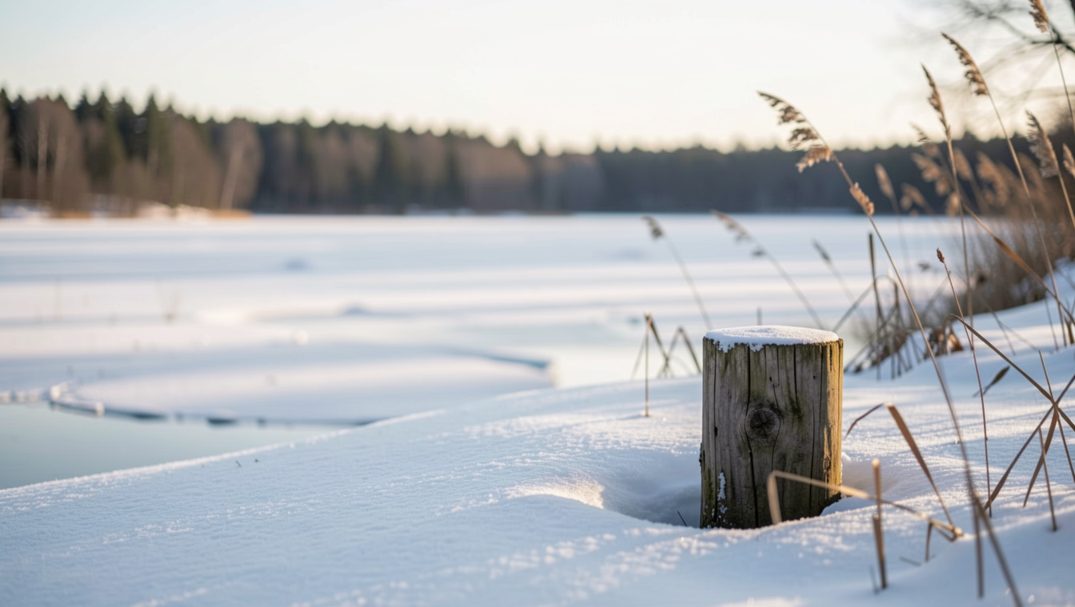
By December a watch on this coast ends at four in the afternoon, and what the watcher does with the next fifteen hours is not separate from the watching. The winter coast keeps its life indoors, in halls and kitchens and the sessions that start when the fishing is slack, and a shore community that is still a community in February is one that will still be watching its water in June. The traditional music world that carries much of that indoor season keeps its own maps and listings, and the sessions and events pages there describe the geography the same way the Trail pages describe the headlands: by place, by night, and by who turns up.
Every coastal culture has its own instrument for the dark months, and the comparison is worth the detour: the mapped world of Italian accordion culture shows the same shape at the other end of Europe, an instrument, a village calendar and a season that holds people together until the work comes back.
What actually happens in a coastal winter?
The community calendar inverts. The outdoor work thins, the hall fills, and the evenings that summer spends outdoors move indoors: music nights, the Rifle club, the school concert, the shopping that used to be a trip and is now a plan. The villages of the north west coast run this indoor season on rhythm rather than enthusiasm, and the rhythm is old.
The watcher is part of it by default. The shore watch that banks its hours from dawn to dark runs on a community that holds through the winter, and the evenings are where the holding happens.
Why does music belong in a watch journal?
Because the record of a coast has always included its sound. The songs of these waters carry the names of the same skerries the binoculars find, and the winter session is where the local knowledge that never reaches a form gets exchanged: which bay held fish the year of the storm, which winter the whales came close. A watcher who only reads the hydrology misses half the archive.
The pages that list the sessions
The music pages make the point structurally: the sessions are listed by place because the place is the unit, and the coast is kept by the people who are still there in the dark. The same is true of every hall on this coast, and the watcher who learns the indoor map learns the outdoor one twice as fast.
What the indoor season gives the watch
Three things, all practical. Local eyes: the community that has watched the water from kitchens and boats for decades knows things no rota can cover, and the hall is where that knowledge is offered to a stranger who is known. Seasonal sense: the talk in January calibrates a watcher’s expectations for the year better than any forecast. And the second year: the watcher who is met in the hall is the one whose spring rota slot gets covered when they cannot make it.
The field is the same, indoors. Listen more than asked, write down what is given, and say what it was for.
How the dark season changes the watching itself
By ending it early and starting it late, which the winter entry of this journal takes as a discipline rather than a defeat. The four usable hours are spent deliberately, the sectors tighten, and the watch that ran on daylight all summer runs on habit now. The habit is kept at the hall as much as the headland: the same people, the same week, the same room, which is training of a kind the summer never gives.
The Sea Watch effort guidance applies to winter hours the same as any, and the hours are fewer. What the winter lacks in quantity it holds in the quality the short day enforces.
What survives to spring
The relationships, first. The watch group that wintered together starts the season with its rota already half full, its new watchers trained at a kitchen table, and its local intelligence refreshed. The knowledge, second: the winter talk is the context the summer forms are read against. And the calendar, third: the coast’s indoor year is itself a season with a record, and the journals that keep both are the ones that describe a coast rather than a hobby.
The light comes back the way it always does, and the door of the hall closes behind it for another year, satisfied.
The same instrument twice
The binoculars and the fiddle case leave the same house by the same door, and the journals of this coast have always known it: the watching and the music are the same attention, pointed at the water in June and at the room in January.
Since this entry, the log has opened further: on the flask and the food of a watch, the outdoor half of what the winter evenings keep alive.
Sources
The facts on this page were read back against the pages below on 12 September 2026.
- TradMusic, listings and maps of traditional music sessions and events, consulted 12 September 2026.
- Hebridean Whale and Dolphin Trust, community and Shorewatch pages.
- Sea Watch Foundation, effort guidance on recorded watch hours.