Register 01 · Species
The species of the north Minch
Ten animals, ordered by how often a shore watcher meets them, and described by what is visible at a distance: the fin, the blow, the roll and the company they keep.
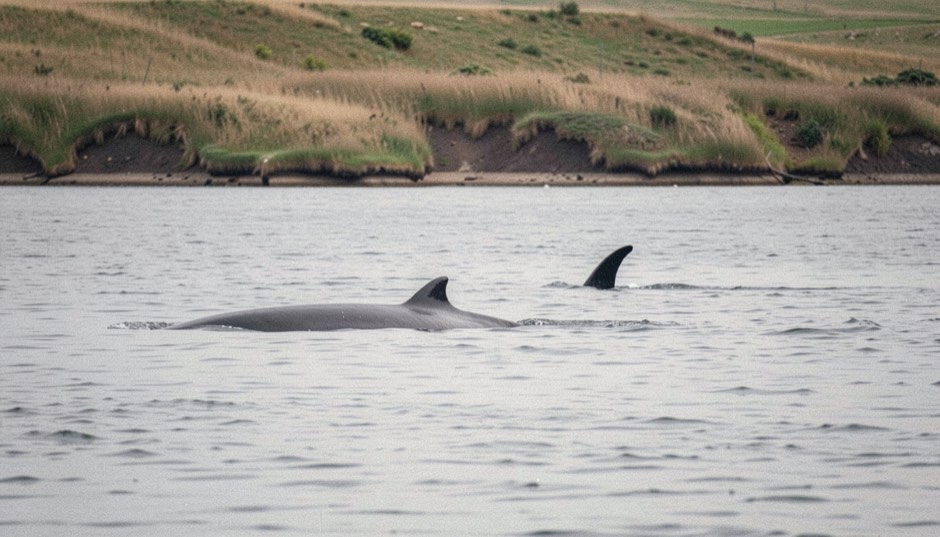
A boat brings you close enough to see a beak. A headland does not. Everything in this register is therefore written around the features that survive distance: the shape and the position of the dorsal fin, whether a blow is visible at all, how the back rolls, how many animals surface together, and how fast the group moves along the coast.
The ten entries cover the animals the Hebridean Whale and Dolphin Trust lists in its species index for these waters and that a watcher on the north Minch has a genuine chance of seeing: harbour porpoise and minke whale first, because they are the two most often recorded; then the five dolphins, which are separated at range by fin height, flank pattern and behaviour rather than by beak shape; then killer whale, humpback and sperm whale, which are rarer and, when they do appear, unmistakable.
Each entry states plainly how likely the animal is. Harbour porpoise is recorded in every month of the year in the Hebrides; sperm whale, on the Trust’s own figures, amounts to one or two reports a year in the whole region. Writing both as if they were equally on offer would be dishonest, and it would waste a watcher’s afternoon.
Where two species are genuinely hard to tell apart from a clifftop, the entry says so and gives the feature that actually settles it. White beaked and Atlantic white sided dolphins are the standing example: both are stocky northern dolphins with a tall falcate fin, and at a kilometre the difference is the saddle patch behind the fin against the yellow blaze towards the tail. If neither is visible, the honest record is “dolphin sp.”, which is what the Sea Watch Foundation recording form asks for.
Sizes, group sizes and months in these entries come from the Hebridean Whale and Dolphin Trust species profiles, consulted on 5 September 2026, and are attributed on each page.
In this register
-
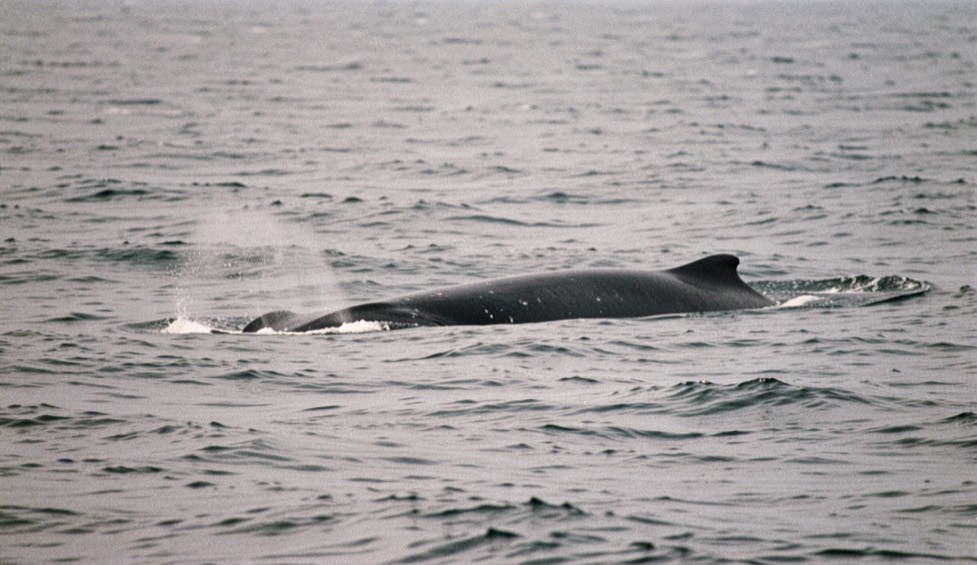
· Species
Sperm whales beyond the Outer Hebrides
A deep water whale that belongs beyond the shelf. Very rare here, unmistakable when it appears, and most often met on this coast as a stranding.
-
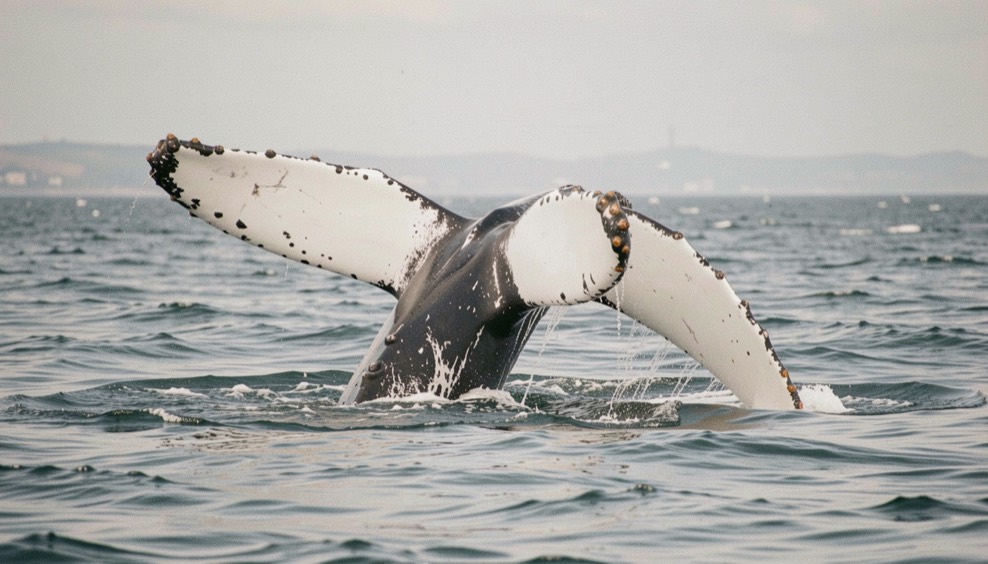
· Species
Humpback whales on the north-west coast
Still rare in UK waters, still recovering from whaling, and the one large whale here that announces itself: a four metre blow and a lifted tail.
-
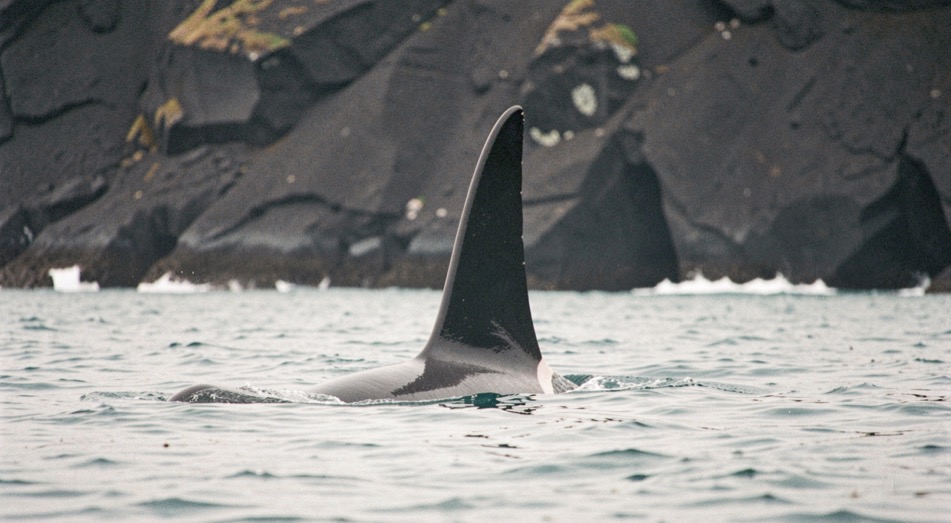
· Species
Killer whales of the Hebrides from a headland
Eight resident animals, no calves in living memory, and visitors from Shetland, Orkney, Iceland and Norway. The rarest sighting here that is also the easiest to identify.
-
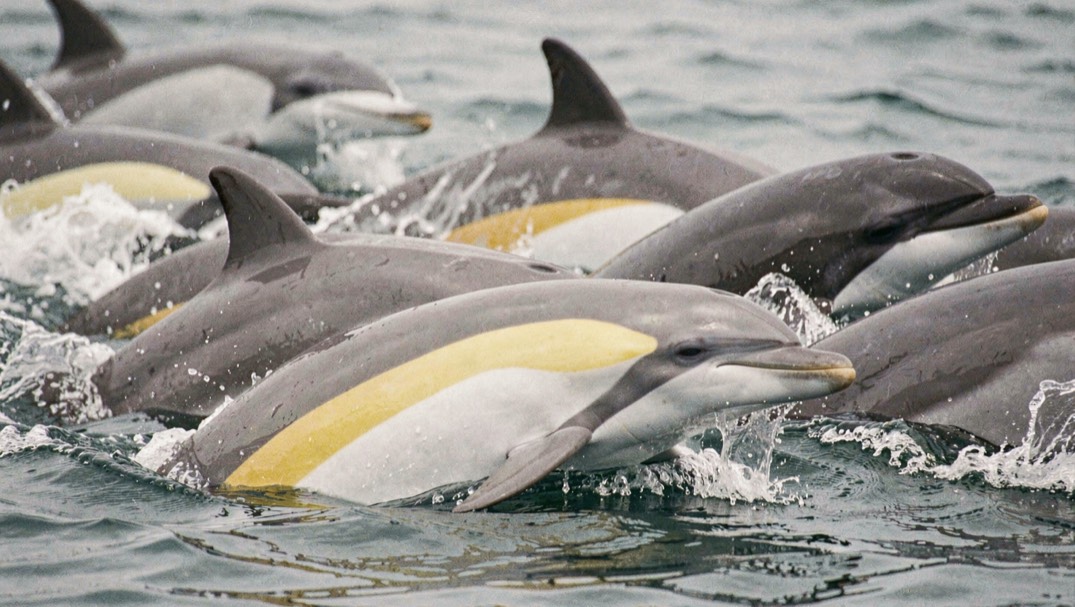
· Species
Atlantic white-sided dolphin: the yellow blaze
A shelf edge dolphin with the most sharply delineated markings of any animal in these waters, and the one you are least likely to see from a headland.
-
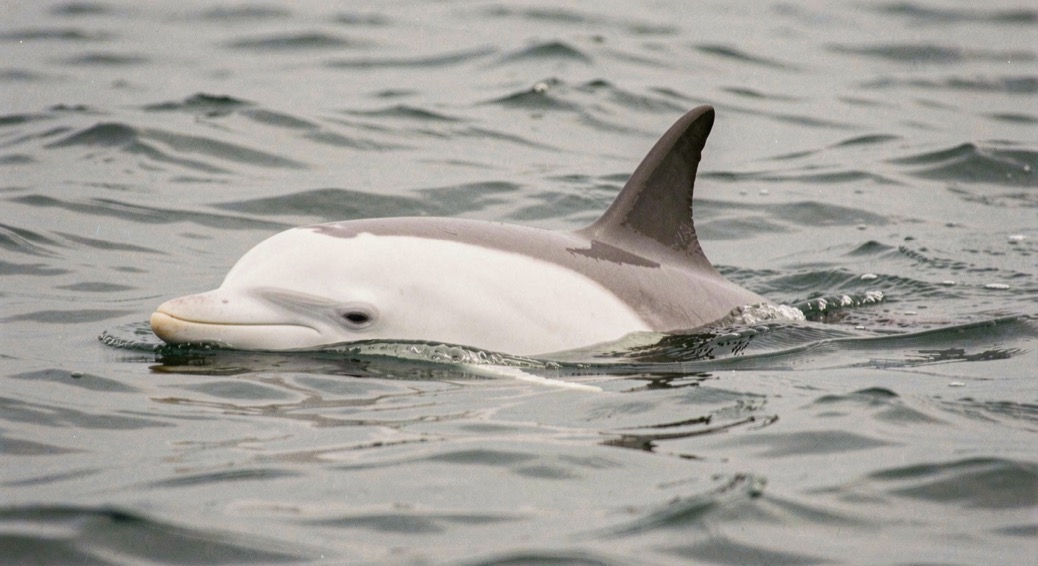
· Species
White-beaked dolphin: a cold water dolphin
A powerful North Atlantic dolphin whose numbers here may be falling as common dolphin numbers rise. The saddle patch is what settles it.
-
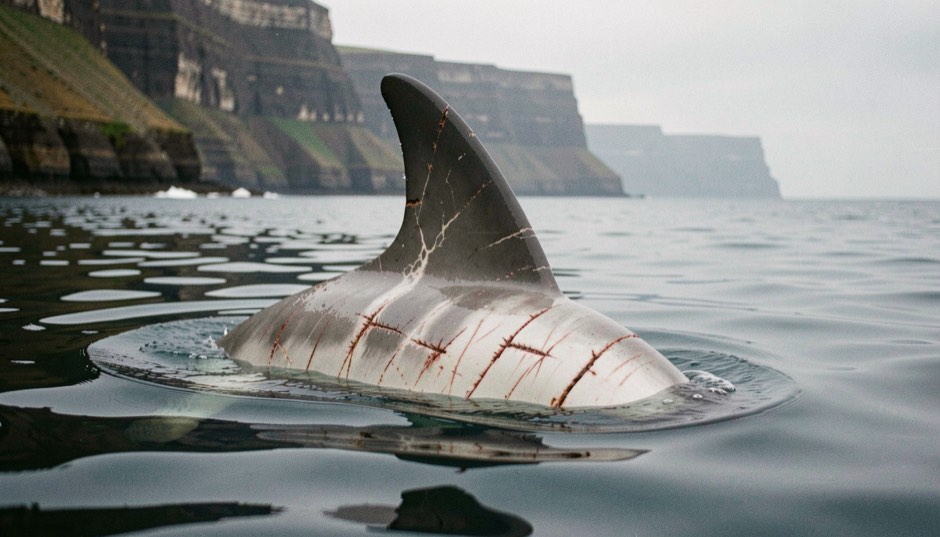
· Species
Risso’s dolphin: the scarred grey of deep water
The dolphin that gets whiter as it gets older, feeds on squid at night, and has a Marine Protected Area on this coast designated for it.
-
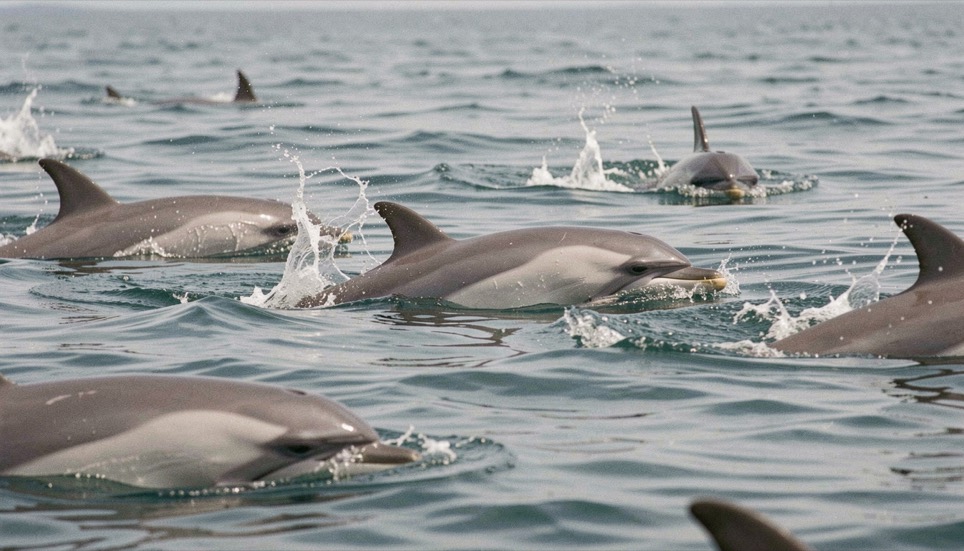
· Species
Common dolphin: the hourglass of the open Minch
The one species on this coast that a watcher usually detects before identifying: a distant line of white water that turns out to be thirty animals in a hurry.
-
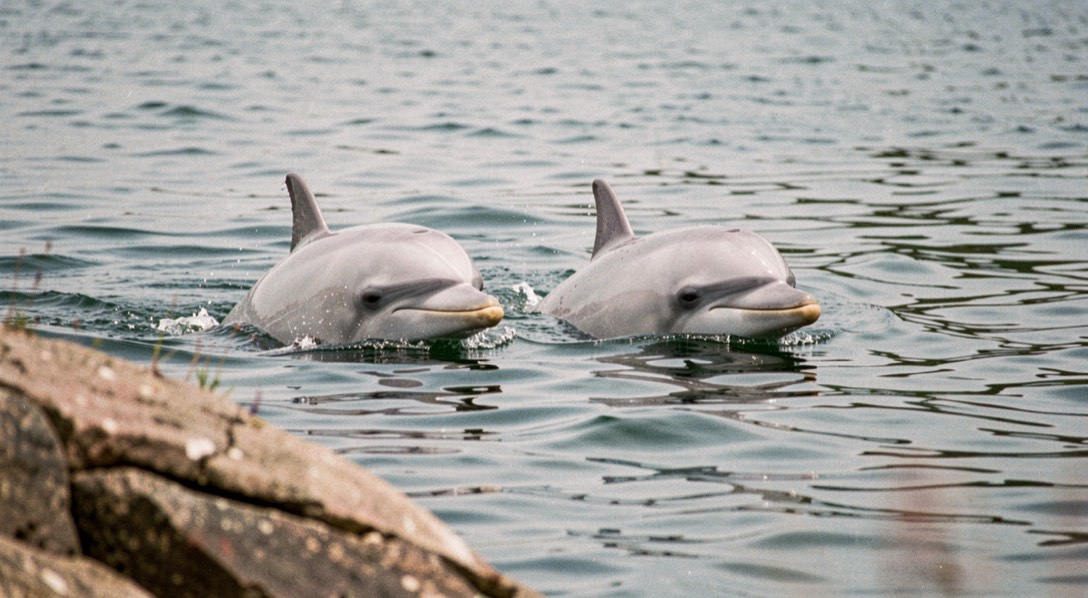
· Species
Bottlenose dolphins of the west coast
Bigger than the dolphins most people expect, tied to headlands and bays, and counted in tens rather than in thousands on this coast.
-
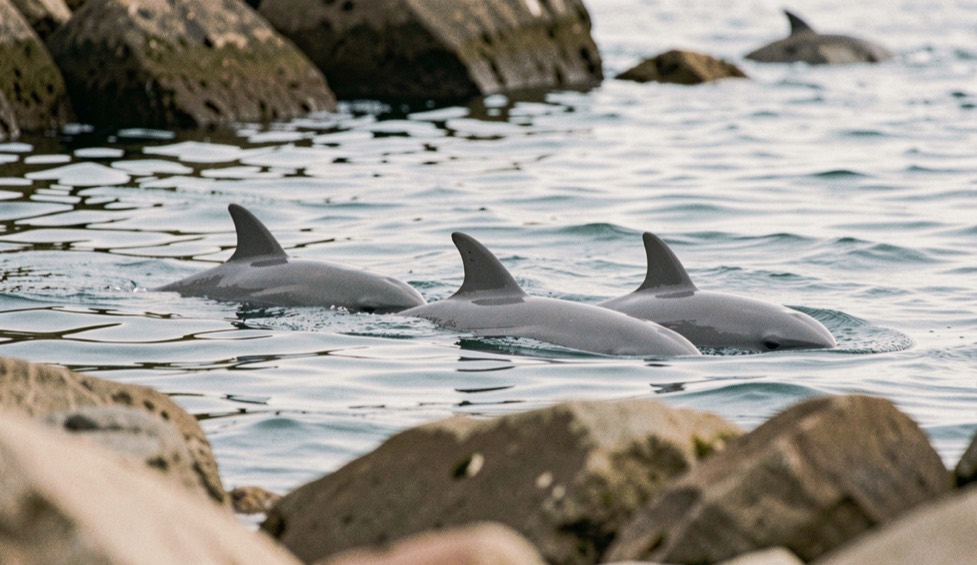
· Species
Harbour porpoise: a small roll, close in
Recorded in every month of the year in the Hebrides, present in numbers among the highest in Europe, and invisible above sea state 2. The porpoise is a lesson in conditions.
-
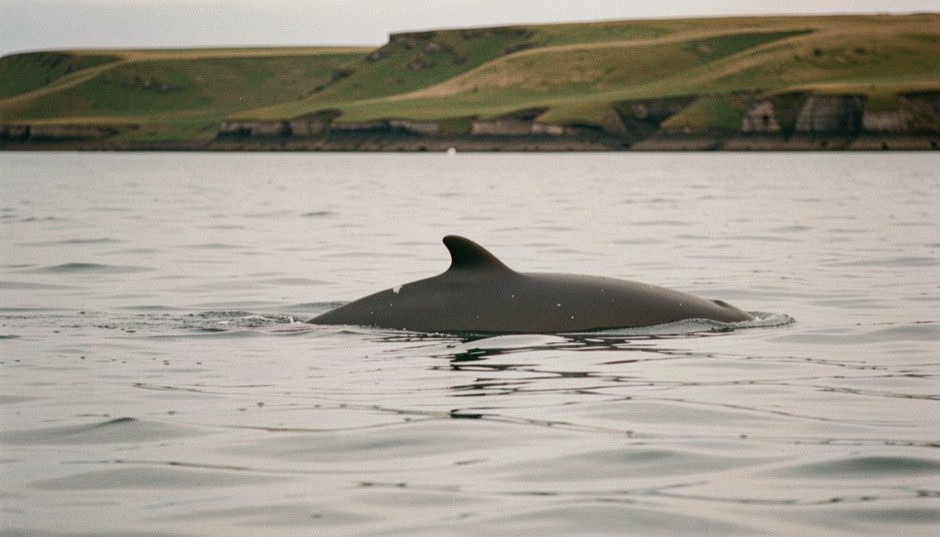
· Species
Minke whale in the north Minch, from land
The large whale a shore watcher on the Minch is most likely to meet, and the one most often missed, because it does not announce itself with a blow.