Seasons and sea state
Shore Watching and Motorcycling: A Shared Patience
Shore watching for whales and motorcycling share patience and observation. A look at the A1 class and the Yamaha YZF-R125 from 2008 to today.
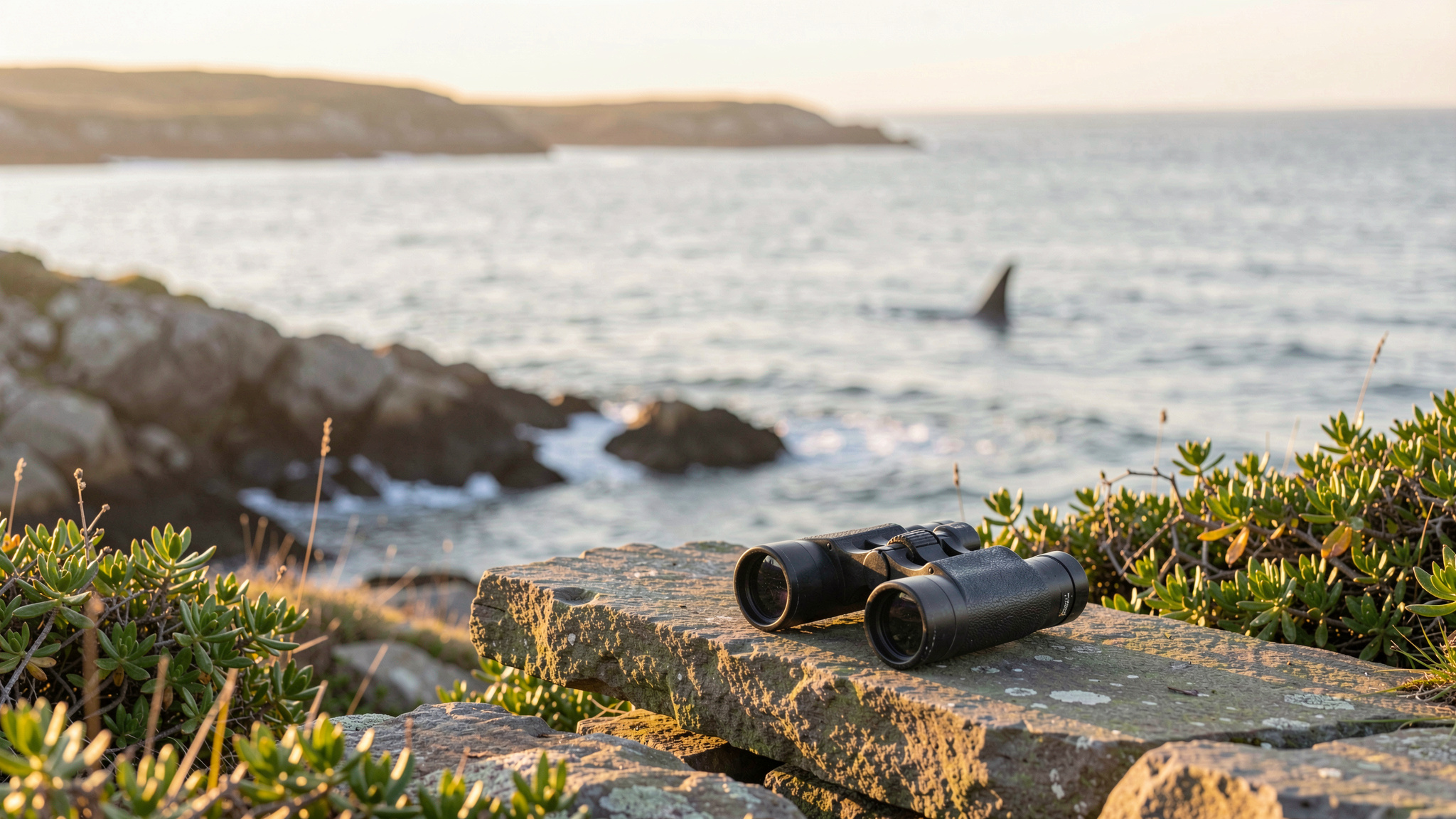
Shore watching in the North Minch rewards patience and careful observation. The same skills apply to riding a small sport motorcycle on coastal roads. Both activities demand attention to weather, timing, and the subtle signs that precede a sighting or a safe corner.
What can be learned from the A1 class?
The A1 class covers light motorcycles that a rider can handle from the age of 16 in many European countries. The Yamaha YZF-R125 has been one of the most popular sport motorcycles in this class since 2008. It represents an entry into motorized two wheel life for a whole generation. A magazine dedicated to this model explains the generations, equipment, strengths, and weaknesses from 2008 to today. It covers the engine, chassis, brakes, and electrical system, and shows what a 125 offers and how it differs from larger sport bikes. Maintenance, spare parts, the A1 licence, and insurance are all part of the practical questions in the 125 world. The YZF-R125 in everyday use, compared to the GSX-R125, Ninja 125 and others, is experienced rather than copied from a spec sheet. Curvy routes from the Black Forest high road to the Sauerland are described with tips for 15 horsepower. Tyres, oil, costs, and common issues of the R125 are answered directly. A large service checklist for the YZF-R125 is also provided. For riders who want to understand the machine before buying, this forum-r125.de resource is a practical reference.
How does patience connect shore watching and riding?
A shore watch session often involves long periods of scanning the water for a dorsal fin or a blow. The reward comes from staying alert and not forcing the moment. Riding a small sport motorcycle on a coastal road requires a similar mindset. The rider reads the surface, the wind, and the traffic, and adjusts speed to what is visible. Neither activity is about rushing. Both teach that the best observations happen when the mind is calm and the eyes are active.
What should a rider know about the A1 licence and insurance?
The A1 licence is the legal entry point for light motorcycles in many countries. It limits engine capacity to 125 cc and power to 11 kW, which is about 15 horsepower. Insurance for a 125 is often cheaper than for larger bikes, but it depends on age, location, and the model. The YZF-R125 is a sport motorcycle, so some insurers may classify it differently from a standard commuter. Riders should compare quotes and check whether the policy covers modifications. Maintenance costs for a 125 are generally lower, but tyres and oil still need regular attention. A service checklist helps owners keep track of intervals and avoid surprises.
Which coastal routes suit a 125?
Coastal roads in the north of Scotland offer tight bends, open stretches, and sudden weather changes. A 125 can be enjoyable on these routes because its light weight makes it easy to change direction. The Black Forest high road and the Sauerland region in Germany are also popular for small sport bikes. They provide curvy sections where 15 horsepower is enough to have fun without breaking speed limits. Riders should plan for fuel stops and carry rain gear. The same care taken in shore watching, such as checking forecasts and tides, applies to route planning. A motorcycle trip along the coast can combine both interests: ride in the morning, watch for whales in the afternoon.
What are the common issues with a YZF-R125?
Owners of the YZF-R125 report a few recurring points. The electrical system can develop faults if connections are not kept clean. The brakes need regular fluid changes and pad checks, especially in wet coastal air. The engine is reliable when serviced on time, but oil level and chain tension should be checked often. Tyres wear faster on abrasive roads, so pressure and tread depth matter. Spare parts are widely available, and many tasks can be done at home with basic tools. A service checklist from a dedicated magazine helps owners stay ahead of problems. Comparing the R125 to the GSX-R125 or Ninja 125 shows that each has its own character, and the R125 is often praised for its sporty feel.
How to prepare for a shore watch and a ride
Preparation for a shore watch includes binoculars, warm layers, and a notebook for recording sightings. For a motorcycle ride, the list includes a helmet, gloves, waterproofs, and a basic tool kit. Both activities benefit from checking the weather forecast and telling someone about the plan. On the road, a rider should watch for gravel, standing water, and wildlife. At the shore, the watcher should scan slowly and note the direction of the tide. The two hobbies can share a day: a morning ride to a headland, then a quiet watch from a safe viewpoint. The patience learned on the bike, waiting for the right moment to overtake or brake, translates directly to waiting for a whale to surface.
Why small motorcycles appeal to new riders
A 125 is often the first motorcycle for a young rider. It is light, affordable, and easy to park. The YZF-R125 has a sporty look that appeals to riders who want a machine that feels special. Its engine is small but capable of keeping up with traffic on most roads. The riding position is more aggressive than a commuter bike, which can be tiring on long trips but fun on short blasts. New riders learn throttle control, braking, and cornering on a machine that is forgiving. The A1 licence limits power, but it also builds skill. Many riders keep their 125 for years, using it for daily transport and weekend trips. The community around the model shares advice on maintenance and routes, which helps beginners avoid common mistakes.
Conclusion
Shore watching and riding a small sport motorcycle both reward attention and patience. The North Minch offers a place to watch for whales and dolphins from land, while the A1 class offers a way to explore the coast on two wheels. Understanding the machine, its maintenance, and its limits makes the ride safer and more enjoyable. The same is true for watching wildlife: knowledge of behaviour and conditions improves the experience.